Insulation contractor in Avocado Heights - dust-tight attics, cooler rooms
Expert El Monte Insulation Services is an insulation contractor working in Avocado Heights, CA. We seal and insulate attics, walls and crawl spaces in houses, barns and garages, and clear out old insulation that's gone bad.
- Licensed and insured.
- Free in-person estimates.
- We respond within 1 business day.
Houses and horse properties across Avocado Heights
Avocado Heights sits between the 605 and the City of Industry, a short drive from our base in El Monte. Much of it is equestrian neighborhood, with wide lots, corrals and a riding trail that runs past houses and schools, and we do the same kind of work nearby in West Puente Valley.
Most of what we insulate here is houses, along with the barns, tack rooms and garages behind them. The outbuildings and open ground around a house change how I plan the job, so I look at the whole lot and not just the attic.
Our services in Avocado Heights, CA
- Attic insulation
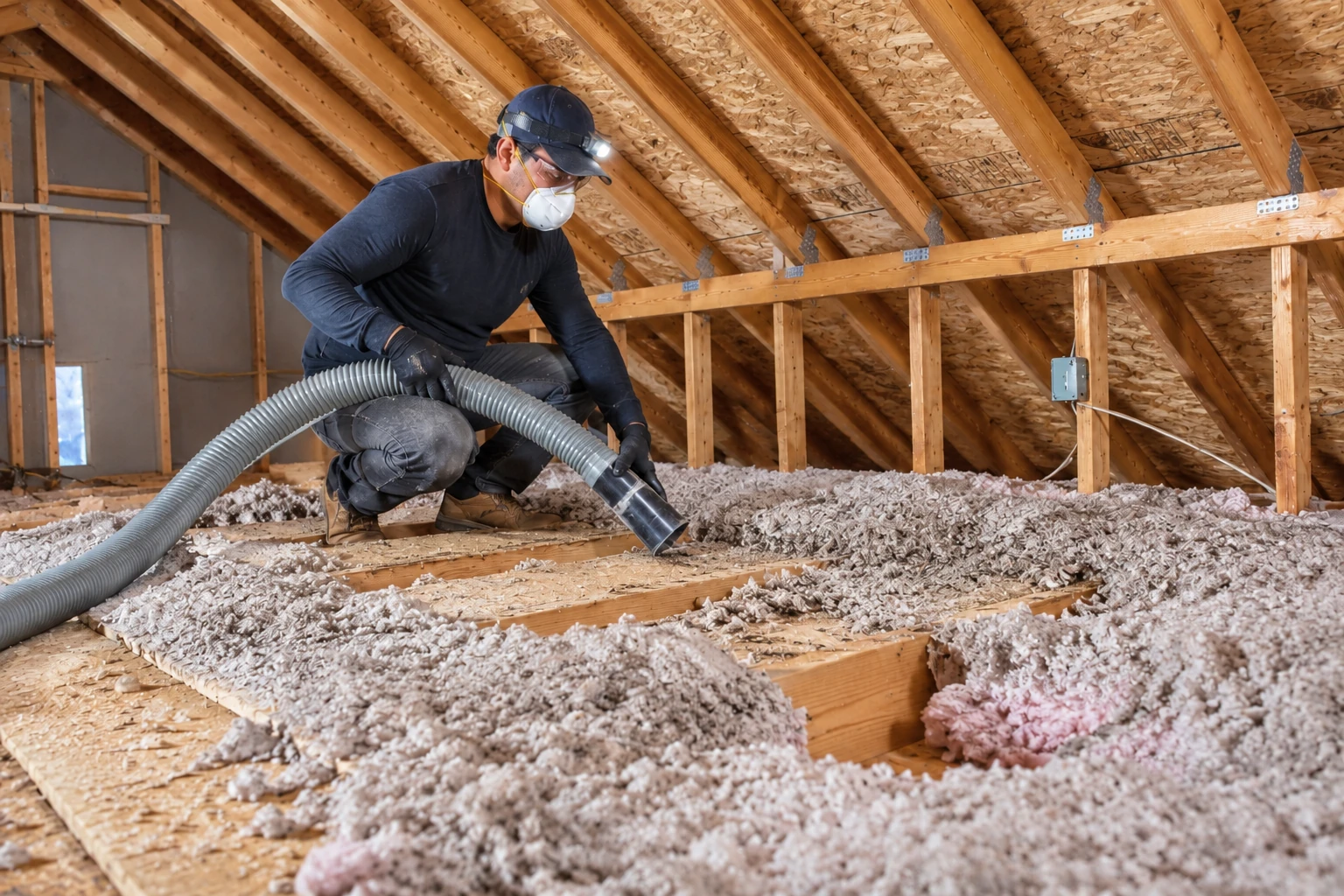
In the low, wide attics we see here, the old fill is usually deep in the middle and thin at the edges by the eaves, which is backward because the edges are where heat gets in first. We measure the inches already up there, even out the coverage and keep the eave vents clear so the attic can still breathe.
- Blown-in insulation
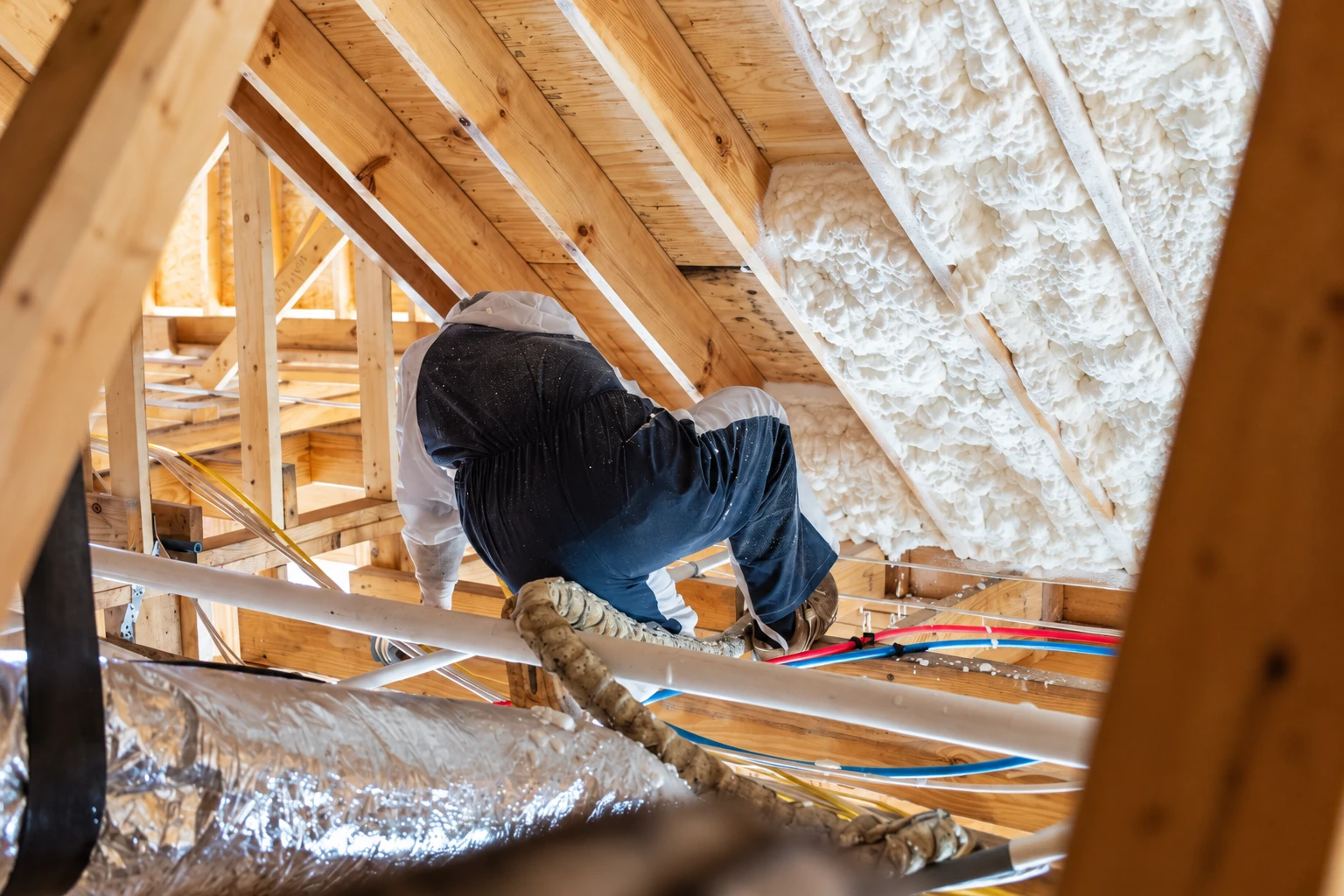
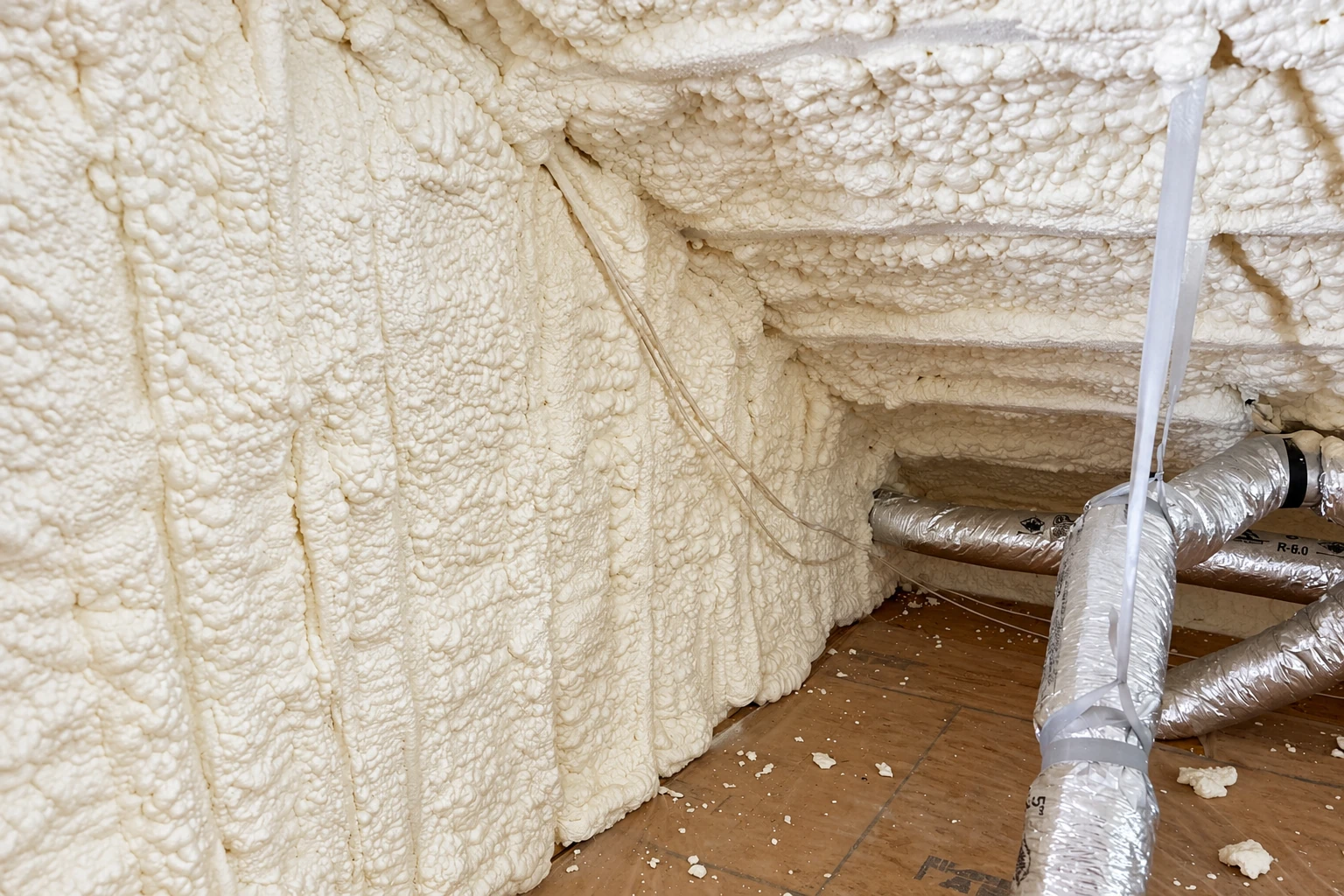
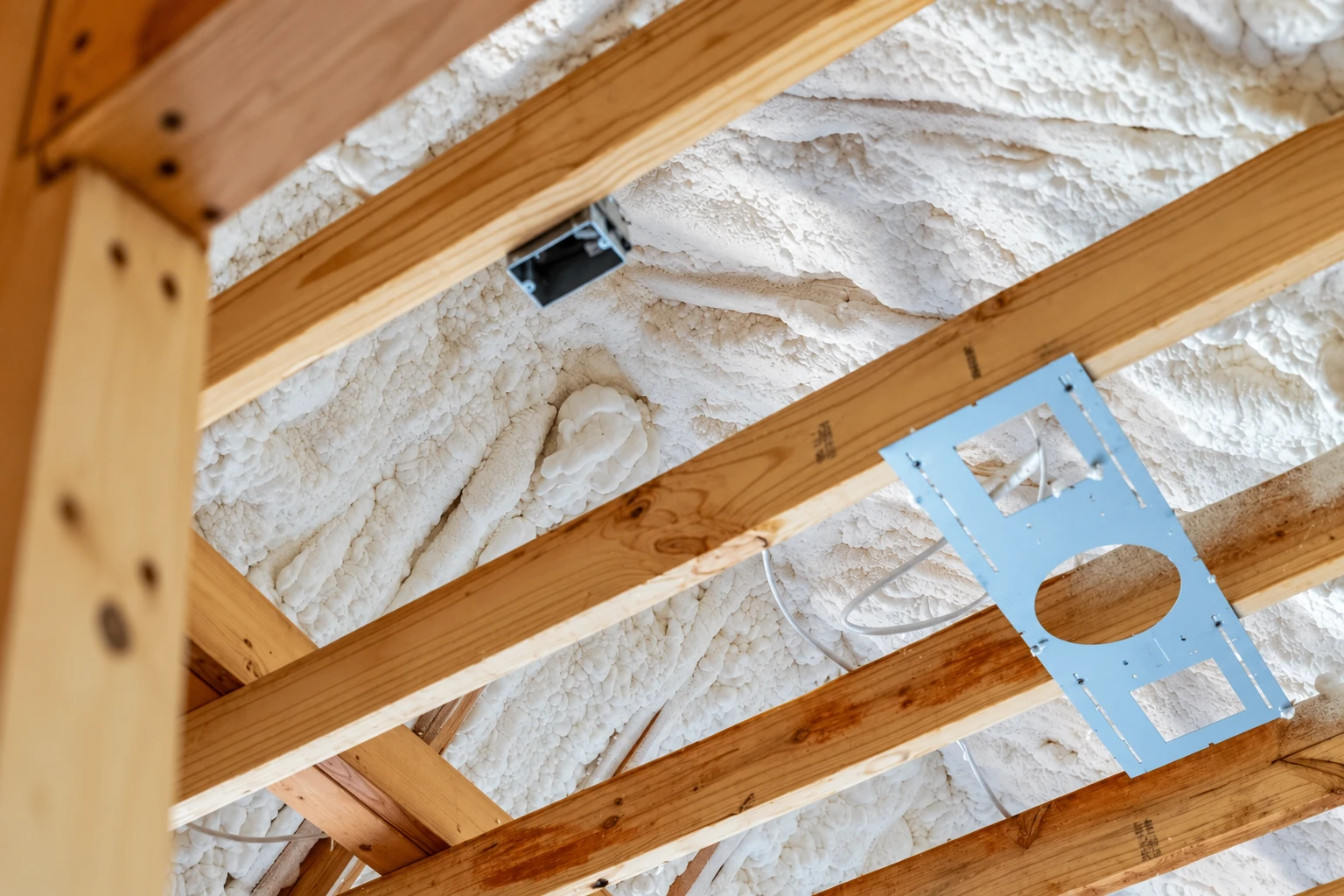
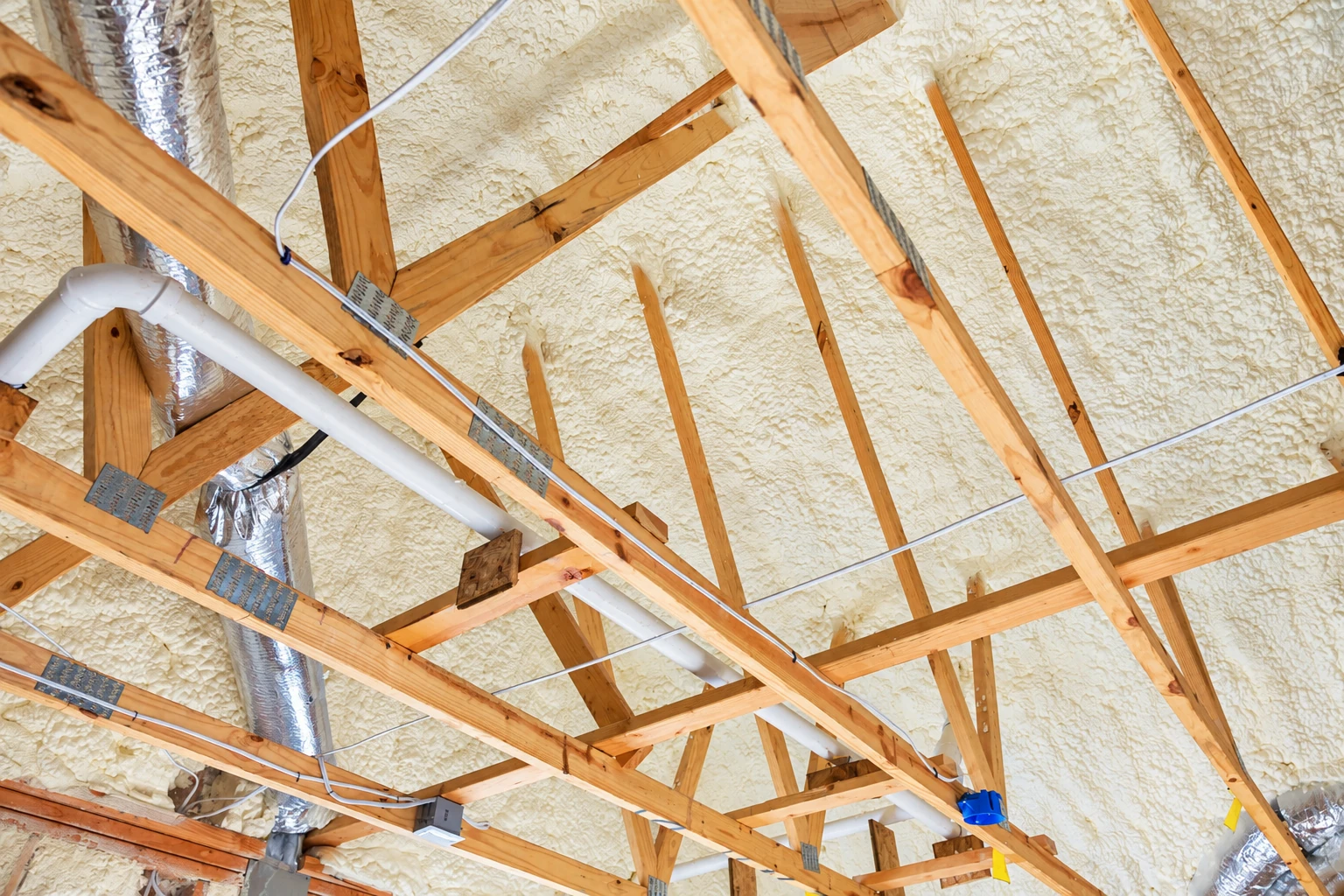
If your attic already has some insulation and no ductwork running through it, sealing the gaps and topping up with blown-in, loose fill blown through a hose, usually gets you the most for the money. When the ducts do live up there, I'll walk you through foam instead, because it costs more but seals the air while it insulates.
- Insulation removal
Feed, hay and open lots draw rats and mice, so on horse properties we often find old insulation full of droppings or soaked from an old roof leak. We pull it out and clean up before anything new goes in, since fresh fill over a dirty layer just covers the problem.
- Closed-cell foam insulation
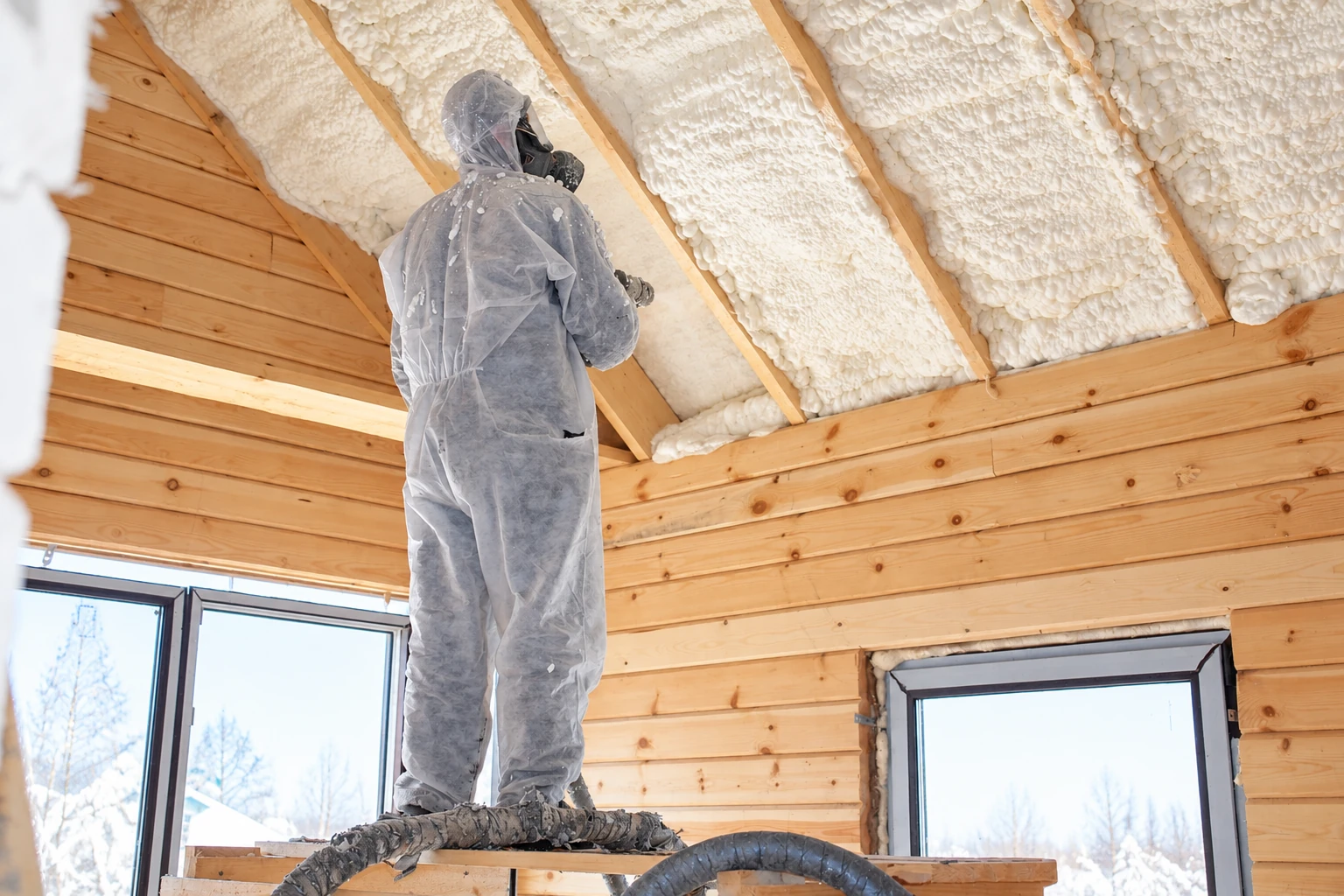
Tack rooms, barns and detached garages turned into workshops usually have open framing and nothing in the walls. On those we often recommend closed-cell foam insulation, a dense spray foam that blocks moisture and air, because a loose batt in an open stall wall won't stay where you put it.
- Retrofit insulation
The back addition and the converted garage are the hot rooms we hear about most, because they were often built later with thin insulation or none in the walls. We add insulation to finished walls through small holes we patch afterward, so you don't have to tear the room apart.
- Crawl space insulation
Houses on raised floors here often have cold floors because the batts underneath have sagged or been pulled down by animals getting under the house. We put the floor insulation back up and fasten it properly, after checking that the ground under it is dry.
What Avocado Heights lots do to a house
Fine dust off corrals and dirt yards gets pulled into the house through every gap in the ceiling, around can lights, plumbing pipes and the attic hatch. When I go up, the insulation is often streaked dark right over those gaps, which shows exactly where the air is leaking. We do the air sealing first, closing those gaps with caulk and foam, and only then add insulation, because new fill laid over an open gap just keeps filtering the same dusty air.
The ground here is mostly flat, so water from sprinklers, downspouts or a horse wash rack can sit near the foundation instead of running off. Under a raised floor that means damp soil, and we make sure the water is dealt with before we cover the ground, since a barrier laid over wet dirt just traps it.
Get an insulation estimate for your Avocado Heights home
Call (626) 416-2112 or send the form, and we'll get back to you within one business day to set a time. I'll come out to your Avocado Heights house myself, go up in the attic or under the floor, and write a free estimate on site with no obligation to hire us.
What insulation work looks like
Avocado Heights insulation questions
Is Avocado Heights its own city or part of LA County?
Avocado Heights isn't a city. It's an unincorporated community, so the County of Los Angeles is your local government and county rules apply to work on your house.
Do I need a permit to insulate my attic in Avocado Heights?
LA County Public Works issues building permits in Avocado Heights, and its list covers new buildings, additions, alterations and repairs, plus things like roofs, windows and mechanical systems, but it doesn't name insulation, so don't assume either way. When a job needs a permit, we pull it and set up the inspections, and I'll tell you at the estimate whether yours does.
How do I find out which office handles permits for my address in Avocado Heights?
Enter your street address or parcel number on the county permit site, and it shows which office gives permits there, including your local Building and Safety office when the county handles it. It's worth checking if your house sits near the City of Industry line, so you know you're dealing with the right office.
How much does insulation cost for a house in Avocado Heights?
I can't give you an honest number until I've been up in the attic, because the price turns on how much area we're covering, how many inches are already there and whether old fill has to come out first. Foam costs more than sealing and topping up loose fill, and the schedule depends mostly on how much removal and sealing your attic needs and whether a permit is involved. You'll have the price in writing at the estimate, before we start.
How do I know an insulation contractor is licensed to work in Avocado Heights?
Ask for their state contractor license, because the Contractors State License Board licenses and regulates construction work across California. A County Business License is a separate thing, required only for businesses located in unincorporated LA County whose work is on the county's list. We're licensed and insured, and I'm glad to show you our paperwork at the estimate.
How much can an insulation contractor ask for up front in California?
On a home improvement job, the down payment can't be more than $1,000 or 10 percent of the contract price, whichever is less. The board also requires every other payment to be listed clearly in the contract and tied to work done or materials delivered.